
Hand Sanitizer: From Medical Essential to Daily Necessity |
Tracing the Evolution and Impact of Hand Sanitizer in Public Health |
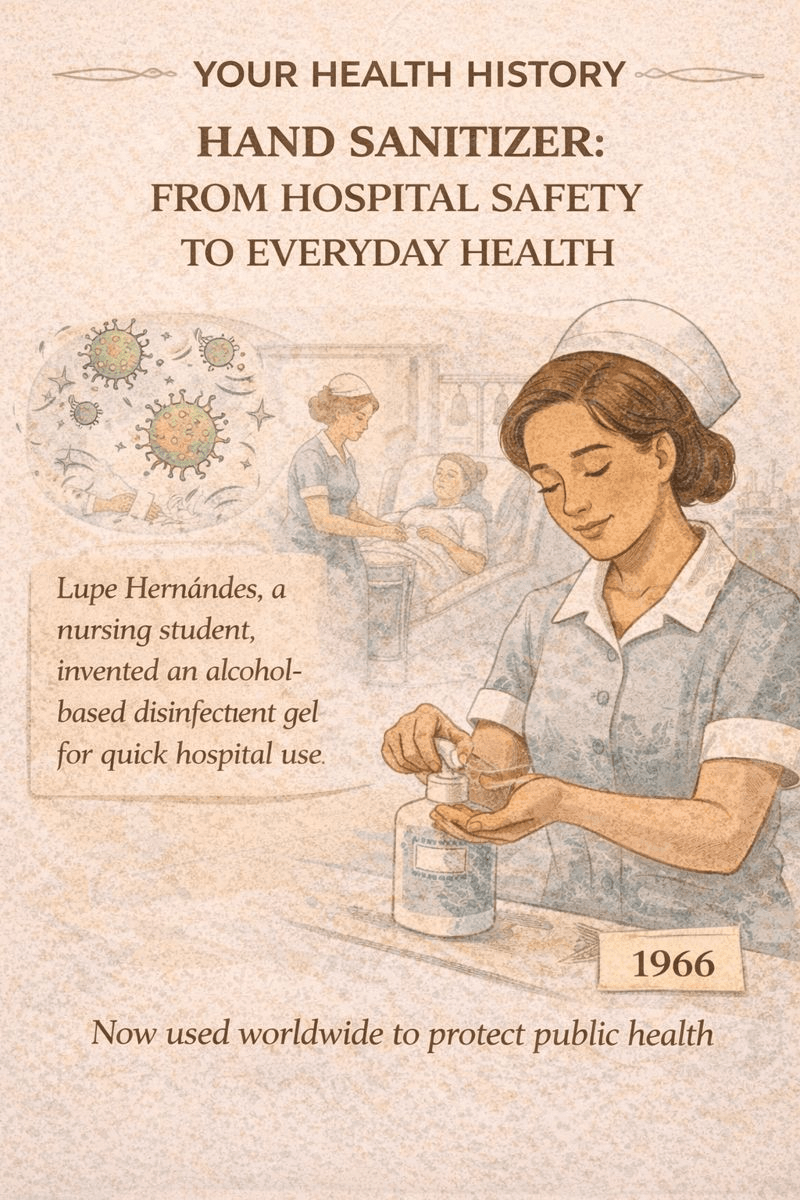
The practice of hand hygiene has long been recognized as a cornerstone of public health, but the journey of hand sanitizer from a clinical tool to an everyday essential is both fascinating and complex.
While the exact origins of hand sanitizer are debated, with some attributing its invention to a nurse in 1966, the widespread adoption of alcohol-based hand rubs in healthcare settings began in the 1980s. These formulations, containing 60–95% alcohol, proved highly effective against a broad spectrum of pathogens, including bacteria, fungi, and viruses. Their introduction marked a significant advancement in infection control within medical environments.
The transition of hand sanitizer from hospitals to households accelerated during global health crises. The SARS outbreak in 2003, the H1N1 influenza pandemic in 2009, and most notably, the COVID-19 pandemic in 2020, underscored the importance of accessible hand hygiene. During these periods, public demand for hand sanitizers surged, leading to widespread use in schools, workplaces, and public spaces.
However, this increased usage brought challenges. Reports emerged of children experiencing adverse effects from ingesting hand sanitizers, leading to calls for cautious use and proper storage. Additionally, the market saw the proliferation of substandard products. In 2020, the FDA warned against hand sanitizers containing methanol, a toxic substance that can cause serious health issues upon absorption or ingestion.
Despite these challenges, the role of hand sanitizer in public health remains pivotal. It serves as a quick and convenient method to reduce microbial transmission, especially in situations where soap and water are unavailable. The emphasis on hand hygiene has also spurred innovations, such as the development of moisturizing formulations to prevent skin dryness associated with frequent use.
In essence, hand sanitizer has evolved from a specialized medical product to a ubiquitous tool in disease prevention. Its journey reflects a broader understanding of hygiene's role in public health and the continuous efforts to adapt to emerging health challenges. |
0 Comments
Join the conversation
Be the first to comment
Share your thoughts above.