
Parks Canada Works to Curb Spread of Deadly White-Nose Syndrome in Alberta Bats |
Crews are applying probiotic treatments at key roosting sites in Jasper National Park to combat the fungal disease that has devastated bat colonies across North America |
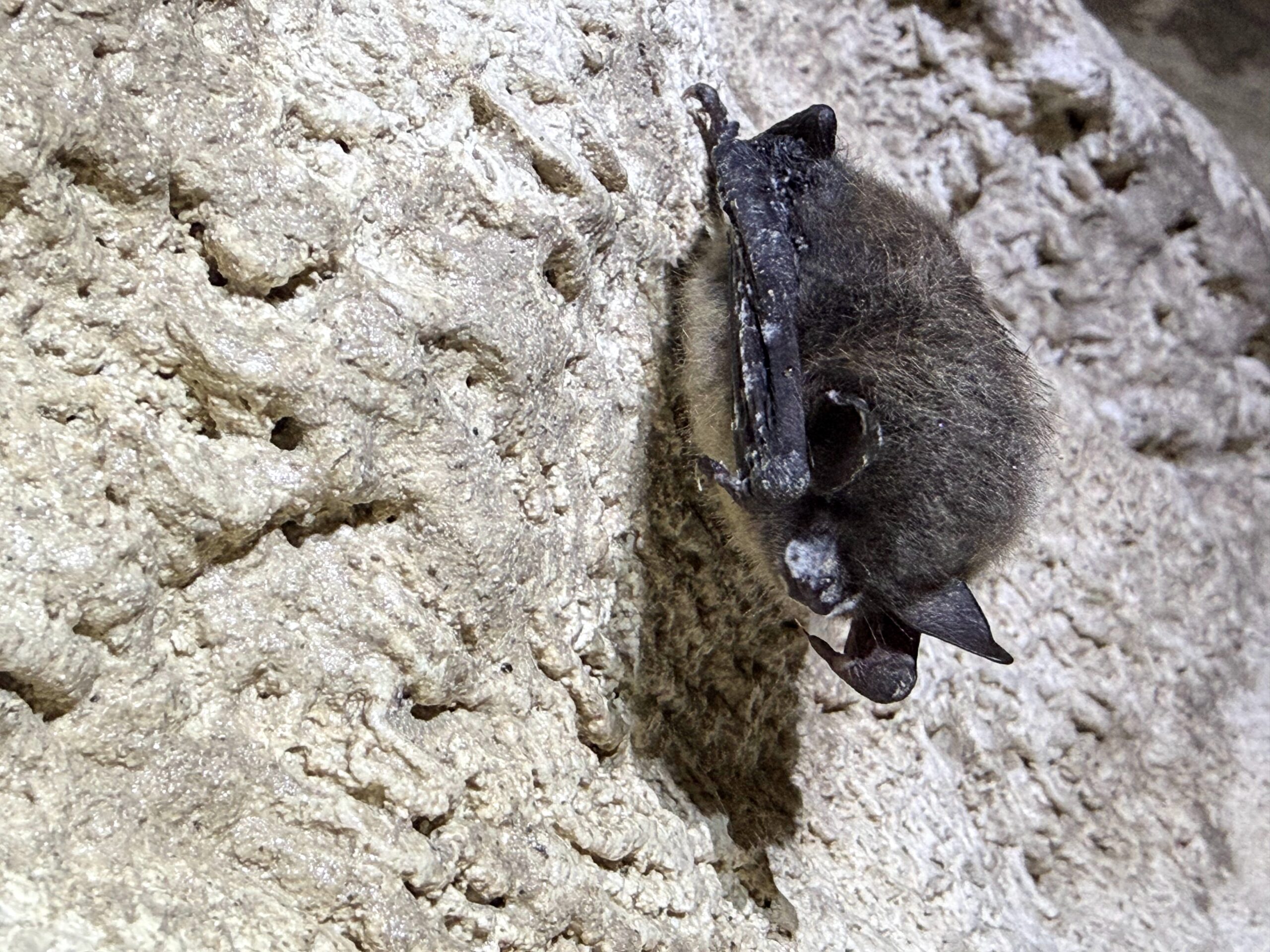
THE CANADIAN PRESS/Handout - Parks Canada (Mandatory Credit) |
Parks Canada is intensifying efforts to combat the spread of white-nose syndrome among Alberta's bat populations. This deadly fungal disease has been devastating bat colonies across North America. In response, crews are applying a probiotic treatment at key roosting sites, including caves in Jasper National Park and known maternity roosts.
Biologist Nina Veselka from Parks Canada has observed the severe impact of the infection firsthand. During a recent visit to a cave in Jasper National Park, she found numerous bats that had fallen from the limestone walls, struggling to survive on the cave floor. Veselka expressed concern that this could lead to local extinction of the affected colonies.
White-nose syndrome is caused by the fungus Pseudogymnoascus destructans, which thrives in the cold, damp environments of bat hibernation sites. The fungus irritates hibernating bats, causing them to wake prematurely and deplete their fat reserves, often resulting in starvation. While the fungus poses no risk to humans, it can decimate bat colonies, with mortality rates reaching up to 98%.
The probiotic treatment involves dispersing beneficial bacteria at the entrances of bat roosts. These bacteria have been shown to inhibit the growth of the white-nose fungus. Veselka likened the process to using hand sanitizer to prevent germs from establishing on the skin. The goal is for the bats to transfer these bacteria onto their wings, tails, and faces, thereby slowing the fungal growth.
In Alberta, the probiotic is being used as a treatment for existing infections, whereas in British Columbia, where the disease has not yet taken hold, it serves as a preventive measure. Veselka finds hope in these efforts, stating that knowing there is something that can be done brings a sense of optimism.
The fungus was first detected in Alberta in 2022 and has since spread to several hibernation sites, including Cadomin Cave, one of the province's largest bat hibernacula. The Alberta government has been proactive in monitoring and implementing measures to slow the spread of the disease, including cave closures and public education campaigns.
The loss of bats has broader ecological implications. Bats play a crucial role in controlling insect populations, including mosquitoes and agricultural pests. A significant decline in bat numbers could lead to an increase in these insects, affecting both human health and agriculture.
Lisa Wilkinson, a biologist and bat specialist for the Alberta government, highlighted the long-term repercussions of white-nose syndrome. She noted that bat populations take a long time to recover because they typically have only one pup per year. The province has expanded its probiotic treatment program, adding five more sites to their treatment plans this year.
While there is no silver bullet to prevent or cure white-nose syndrome, ongoing research and mitigation efforts offer a glimmer of hope for Alberta's bat populations. Continued collaboration between government agencies, researchers, and the public is essential to combat this devastating disease. |
0 Comments
Join the conversation
Be the first to comment
Share your thoughts above.