
Shorter days bring pedestrian safety reminders for Sherwood Park |
An October RCMP advisory asks drivers and walkers to take extra care as visibility changes |
A familiar walk or drive through Sherwood Park deserves a fresh safety check as autumn changes the light.
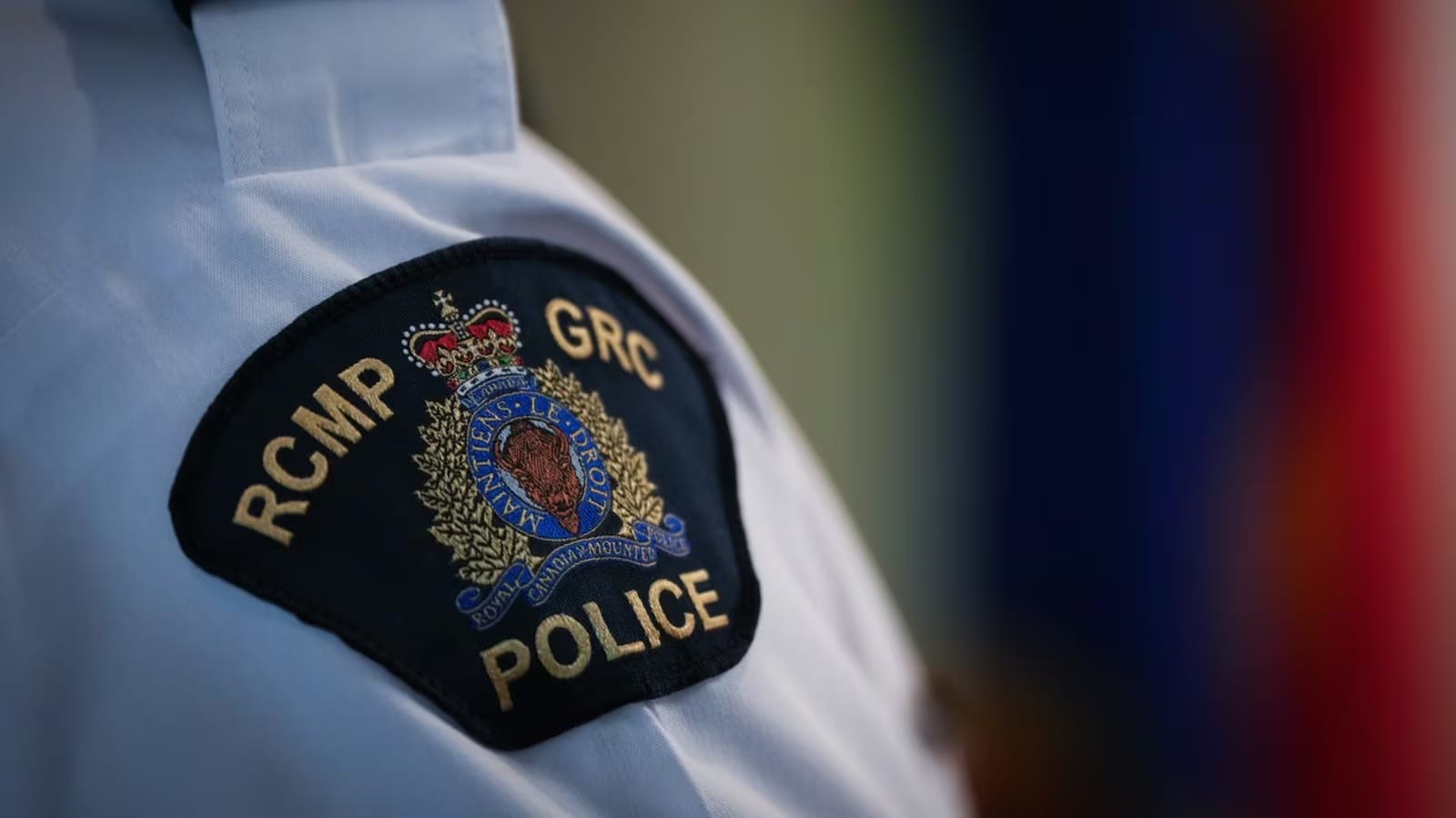
In an October 8 advisory, Strathcona County RCMP reminded residents that shorter days and changing road conditions can make drivers and pedestrians harder to see.
The message applies to everyday trips as much as longer journeys: school drop-offs, shopping, walking the dog and heading home.
It is an opportunity to review habits before the same route becomes darker or the weather changes.
Give crossings your full attention
Drivers are urged to observe speed limits around schools and playgrounds and avoid passing a vehicle stopped at a crosswalk.
A person crossing may be hidden from the approaching driver’s view.
When turning, look for pedestrians and allow them to finish crossing before entering their path.
The provincial guidance explains that crosswalks may be marked or unmarked, so painted lines are not the only places to watch.
An unmarked crossing generally connects the sidewalks, curbs or road edges at an intersection unless signage says otherwise.
Traffic signals and an officer’s directions can affect right of way; follow the controls at the intersection.
Pause before stepping out
People walking should use marked crossings and pedestrian signals when available, check for approaching vehicles and wait until traffic has stopped.
Make eye contact when possible, but do not treat it as a substitute for checking that the way is clear.
A vehicle slowing down is not necessarily a vehicle stopping.
Provincial advice uses a simple sequence: point to indicate the intended crossing, pause to check both ways, then proceed when it is safe.
The sequence is a useful reminder to make the decision deliberately instead of stepping into the road while distracted.
Parents and caregivers can practise it together on familiar neighbourhood routes.
Be easier to see and hear
Bright or reflective clothing can improve visibility after dark and in poor weather.
A flashlight or headlamp can help illuminate the route on an evening walk.
Use sidewalks where available; where there is none, stay away from vehicles and face approaching traffic.
Put away the phone when crossing, and avoid audio levels that prevent you hearing what is happening nearby.
Drivers can prepare by clearing dirt, ice or snow from windows and lights, planning directions before setting out and keeping attention on the road.
These preparations are especially worth revisiting when a change in weather affects a routine trip.
Allow people time
Children, older adults and people moving with strollers or mobility limitations may need longer to cross.
Patience gives everyone more room to respond and makes the crossing less pressured.
Walkers can also check footwear for fit and grip, especially when a route becomes wet or slippery.
Before an evening outing, consider whether the route has usable sidewalks, visible crossings and adequate lighting.
The safest routine is one that adapts.
Take a moment to reassess the trip as daylight and weather change, rather than assuming yesterday’s conditions still apply.
Review the return journey as well as the outward trip, because a route that was bright when you left may be much darker later.
For a regular family walk, make a habit of choosing a visible crossing together and allowing time to stop, look and listen.
The local reminder is straightforward: slow down, stay alert, make yourself visible and watch for other road users. |
Sources and useful links Local RCMP reminder · Alberta crossing and visibility guidance · Practical walking and driving safety |
2 Comments
Join the conversation
The part about a slowing car not being a stopping car is so true. Never assume.
Good reminder. I walk my dog every evening and it gets dark so fast now.